
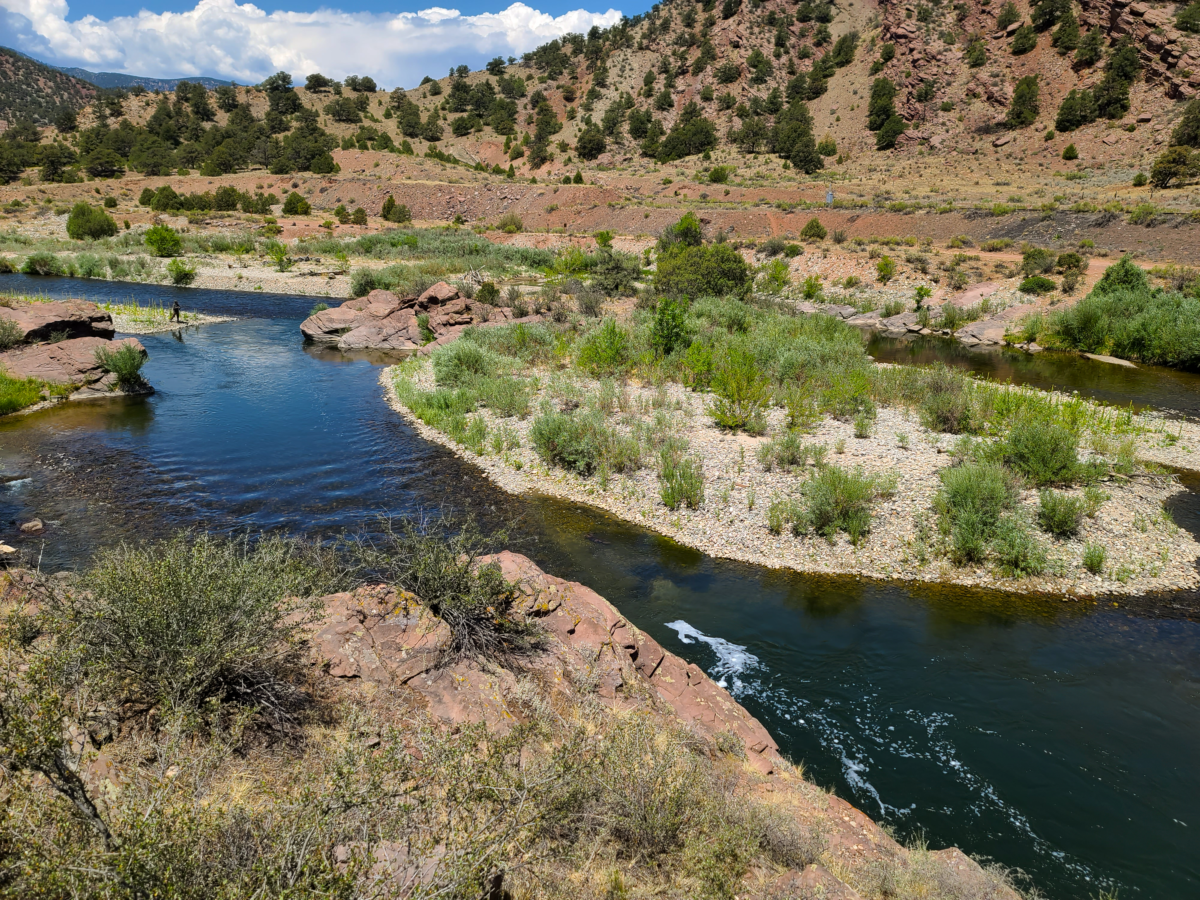
By August, the Arkansas River Valley starts to feel a little different.
The biggest snowmelt flows are behind us. Mornings become a little cooler. The high country starts hinting that fall is coming, even though afternoons can still feel very much like summer.
That does not mean the season is over.
In fact, late summer can be one of the best times to explore the Arkansas River corridor because the trip does not have to revolve around just one activity. You can raft in the morning, wander downtown Salida in the afternoon, soak in hot springs that evening, then wake up and hike, bike, fish, or head toward Twin Lakes and Leadville the next day.
Here are seven ways to make the most of late summer along Colorado’s Arkansas River.
1. Go Rafting, but Choose the Trip for the Conditions
Late-summer rafting is different from June rafting, and that is not necessarily a bad thing.
River levels change throughout the season, and releases from upstream reservoirs can change as well. Colorado Parks and Wildlife maintains an Arkansas Headwaters waterflow page with current release announcements and river information. In 2026, for example, Twin Lakes releases changed several times during July.
Instead of choosing a rafting trip based solely on which canyon has the biggest name, ask what section is running best right now.
Lower water exposes more rocks, changes channels, creates different waves, and can make one river section considerably more enjoyable than another. Experienced outfitters adjust their trips, boats, routes, and sometimes even the section they run as conditions change.
If you are planning a trip this season, start with our guide to rafting the Arkansas River and our guide to low-water rafting.
The key is simple: pick the river experience that fits today’s river instead of trying to recreate June in August.
2. Explore Browns Canyon From Dry Land
Most people associate Browns Canyon National Monument with rafting, but the monument is much bigger than the river corridor.
The Bureau of Land Management manages a network of hiking routes from Ruby Mountain and Hecla Junction. One approachable option is the approximately 2-mile out-and-back Seidel’s Suckhole Trail from Hecla Junction. From Ruby Mountain, the 5.5-mile River Bench Trail offers a longer look into the northern portion of the monument and an Arkansas River overlook.
Start early. Much of Browns Canyon is open and sunny, and late-summer afternoons can get hot.
Also pay attention to the road you choose. BLM notes that monument access involves unpaved roads, and some routes on the eastern side are appropriate for high-clearance or four-wheel-drive vehicles rather than ordinary passenger cars.
Check the BLM Browns Canyon National Monument guide before heading out. The monument covers more than 21,000 acres and includes hiking, fishing, wildlife viewing, camping, photography, and river recreation.
For more ideas, see our Arkansas River hiking guide.
3. Ride Salida’s Trails Before Lunch
Salida works particularly well for a late-summer biking day because you can ride directly above town and then be back near the river, restaurants, shops, and parks when the afternoon heats up.
The Arkansas Hills and Methodist Mountain trail systems include everything from short loops to longer technical rides. Salida Mountain Trails maintains a trail-conditions page and asks riders to stay off muddy trails when conditions warrant.
A good strategy in August is to ride early, finish before the hottest part of the day, then head toward the river.
You do not have to be a serious mountain biker to enjoy the area. Hiking and trail running are options too, and simply walking around downtown and the riverfront gives you a pretty good introduction to why Salida has become such a popular outdoor basecamp.
Our Salida visitor guide has more ideas for building a day around town. ARG’s Salida guide covers river access, biking, hiking, hot springs, camping, downtown, and nearby mountain destinations.
4. Fish Early and Pay Attention to Water Temperature
Late summer requires a little more thought from anglers.
Low flows and hot afternoons can warm trout streams, so responsible fishing is not just about finding fish. It is also about knowing when to leave them alone.
Before fishing, check current Colorado Parks and Wildlife regulations and any temporary restrictions or closures. CPW maintains its current fishing regulations and rule information here.
When conditions are warm, fishing early in the day generally gives you cooler water and a better reason to spend the afternoon doing something else.
Browns Canyon itself includes Gold Medal Trout Water where anglers can encounter brown and rainbow trout, according to BLM.
If fishing is one of the main reasons for your trip, see the Arkansas River fishing guide before choosing where to stay.
5. Turn a Hot Afternoon Into a Hot Springs Afternoon
This may be the easiest late-summer itinerary decision in the entire valley.
Spend the morning outside, then soak.
Near Nathrop, Mount Princeton Hot Springs offers developed geothermal pools as well as creekside soaking along Chalk Creek. The resort currently welcomes day guests and operates year-round.
Closer to downtown, the city-operated Salida Hot Springs Aquatic Center has both a larger lap pool and a warmer leisure pool filled with geothermal spring water.
They are very different experiences, which is part of the fun.
Mount Princeton feels like a mountain resort day. Salida Hot Springs is an easy, family-friendly stop that can fit into a day already spent exploring town.
See our guide to hot springs around the Arkansas River Valley for more options.
6. Camp Near the River, but Check the Rules Before Lighting a Fire
Camping makes it much easier to turn an Arkansas River trip into an actual vacation instead of trying to cram everything into a single day.
The Arkansas Headwaters Recreation Area stretches along 152 miles of river and includes developed camping areas such as Railroad Bridge, Ruby Mountain, Hecla Junction, Salida East, Rincon, and other river-access sites. Developed AHRA campsites are reservation-only, and CPW recommends reserving ahead because cell service can be unreliable in parts of the corridor.
Dispersed camping comes with additional responsibilities. Within AHRA-managed areas, dispersed campers need an appropriate portable toilet system, and specific fire-container rules apply. Rock fire rings are prohibited.
And do not assume a campfire is allowed just because you see an old fire ring.
Fire restrictions can change quickly and may be controlled by federal land managers, counties, or both. AHRA specifically advises visitors to check current restrictions before each trip.
Start with our Arkansas River camping guide and then verify current regulations with the land manager responsible for your campsite.
7. Head Uphill to Twin Lakes and Leadville
One of the best things about the Arkansas River corridor is how quickly the landscape changes.
From the warmer river country around Salida, you can travel north through Buena Vista and into the higher country around Twin Lakes and Leadville.
Twin Lakes makes a great late-summer change of pace. You can walk near the lakes, explore the historic community, photograph the Sawatch Range, or simply enjoy a slower afternoon near the water.
Continue toward Leadville and you are suddenly in a very different Colorado landscape, with mining history, high-elevation scenery, mountain lakes, trails, and noticeably cooler evenings.
That variety is what makes this region worth exploring as a corridor, rather than treating Salida, Buena Vista, Nathrop, Twin Lakes, and Leadville as unrelated destinations.
Use the Arkansas River map to follow the river north and south and build a trip that includes more than one town.
A Simple Late-Summer Weekend
You do not need a complicated itinerary.
Day one: Raft in the morning, have lunch in Salida, explore downtown and the riverwalk, then finish the day in the hot springs.
Day two: Start with an early hike or bike ride, spend the afternoon around Twin Lakes or Leadville, then return to camp before dark.
Or reverse the entire thing.
That flexibility is one of late summer’s biggest advantages. You are no longer building every day around peak runoff. The river becomes one part of a much bigger Arkansas River Valley trip.
Late Summer Is Still Summer Here
The Arkansas River does not disappear when the calendar reaches August.
The experience simply changes.
Rafting becomes more dependent on choosing the right section. Hiking and biking are best earlier in the day. Fishing requires more attention to water temperature and current restrictions. Hot springs become an especially appealing afternoon option. Cooler high-country destinations are only a drive away.
And the river is still there tying everything together.
Before heading out, check current river flows, trail conditions, fire restrictions, fishing regulations, and local weather. Then pick two or three things that sound fun instead of trying to do everything.
That is usually the better trip anyway.
Ready to explore? Start with the Arkansas River Guide map and follow the river from Leadville to Cañon City.
FAQ
Can you still raft the Arkansas River in August?
Often, yes, but the best river section and trip style depend on current flows. Check current conditions and ask outfitters what they are actually running rather than assuming every normal summer trip is operating unchanged. CPW maintains current Arkansas Headwaters waterflow information.
Is Browns Canyon National Monument open for hiking?
Browns Canyon offers hiking access from areas including Ruby Mountain and Hecla Junction. Some access roads are unpaved, and certain routes require more capable vehicles, so check BLM information before leaving pavement.
Do I need reservations to camp along the Arkansas River?
Developed Arkansas Headwaters Recreation Area campgrounds require reservations. Dispersed camping exists in some areas but follows different sanitation, stay-limit, fire and land-use rules.
Can I have a campfire?
Do not assume so. Fire restrictions change with conditions and can differ by county and land-management agency. Check the current restrictions for the exact place you plan to camp.