
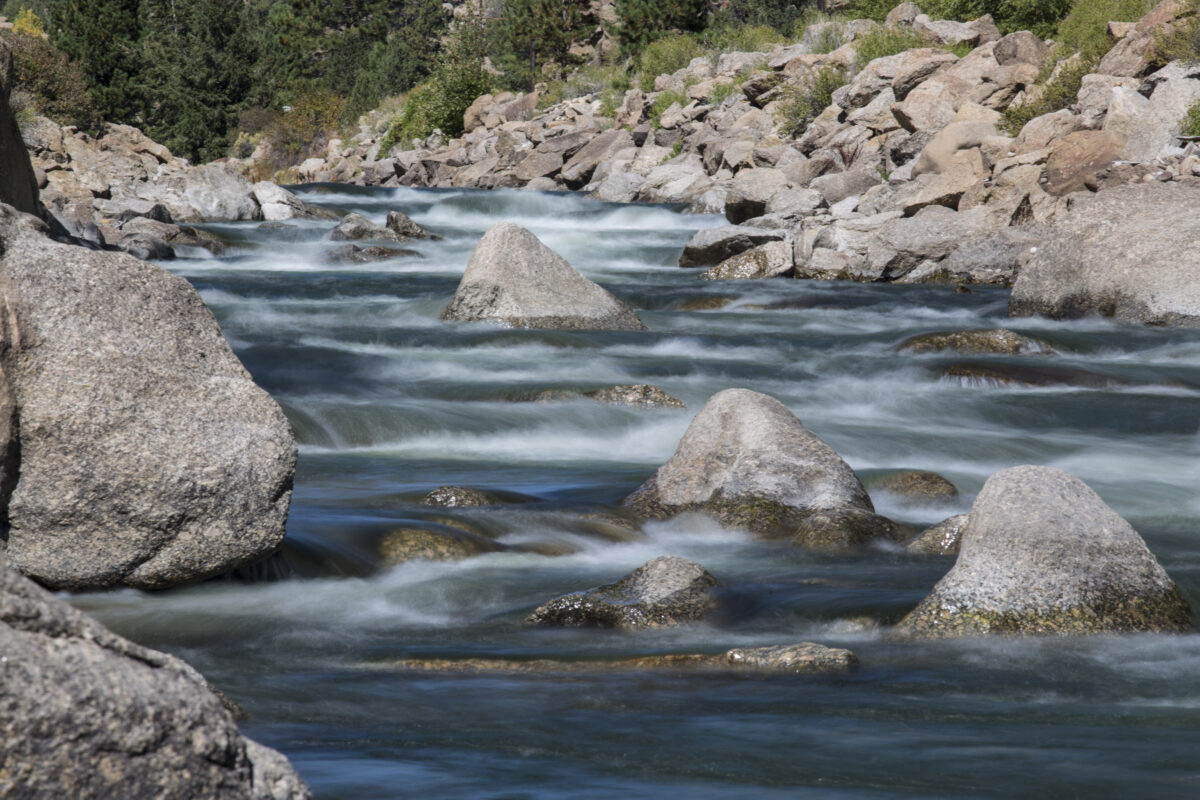
Most people meet Browns Canyon in daylight. They come for the Arkansas River, the granite walls, the trails, and the mountain views. But the canyon has a second life after sunset, when the surrounding landscape disappears into shadow and the sky becomes the main attraction.
In December 2024, DarkSky International certified Browns Canyon National Monument as an International Dark Sky Park. That designation recognizes more than a pretty view. It reflects an effort to protect naturally dark skies, improve outdoor lighting, and help visitors experience the night without adding unnecessary light pollution.
For travelers staying around Buena Vista, Nathrop, or Salida, this is a compelling reason to return to the Arkansas River corridor after the rafting crowds have gone home. You do not need a telescope. You do need a little planning.
Why Browns Canyon Is So Good for Stargazing
Browns Canyon lies between Buena Vista and Salida in central Colorado, with rugged public lands rising above the Arkansas River. Much of the monument is separated from major urban lighting, making it possible to see far more of the night sky than you would in a typical town or city.
The monument’s International Dark Sky Park certification was announced in December 2024. Friends of Browns Canyon helped organize the work, including nighttime light measurements and community education. The Bureau of Land Management, U.S. Forest Service, and Colorado Parks and Wildlife are among the public-land partners involved in managing the area.
On a clear, moonless night, visitors may see the Milky Way, bright planets, constellations, and occasional meteors. The exact view changes with the season, the time of night, and the Moon.
The designation does not mean every road or trail is designed for nighttime travel. The best first visit is usually a simple one: choose an established access area, arrive before dark, and stay close to a safe place to sit and look up.
Where to Go Stargazing in Browns Canyon
Ruby Mountain: An Accessible Starting Point
Ruby Mountain, near the northern end of the monument, is one of the main access points for Browns Canyon. It has two neighboring facilities that are easy to confuse.
The Ruby Mountain Trailhead provides access to hiking trails within the monument and has free trailhead parking. Nearby, the Ruby Mountain Recreation Site is part of Colorado Parks and Wildlife’s Arkansas Headwaters Recreation Area and includes a campground, boat ramp, and other facilities. Fees apply to use of the AHRA recreation site.
For a planned overnight stay, a reserved campsite can be a convenient base for enjoying the stars without making a long nighttime drive afterward. For a shorter visit, confirm posted access rules and parking requirements before choosing where to stop.
There is no reason to hike deep into the canyon after dark to find a good sky. A safe, open viewing area away from direct lights is much more useful than a complicated route you have never walked.
Hecla Junction: River Setting and Dark Skies
Hecla Junction sits at the southern end of the popular Browns Canyon boating run. It is another Arkansas Headwaters Recreation Area site with a campground and river access.
Friends of Browns Canyon specifically identifies both Ruby Mountain and Hecla Junction as places with excellent dark-sky viewing opportunities. Hecla’s river setting can make for memorable evening scenery, although the riverbanks, boat ramp, and uneven ground are not places to wander blindly.
The road into Hecla Junction is steep and unpaved. Arrive in daylight if you are unfamiliar with it, and check current road and site conditions before traveling.
Campground reservations and recreation-site fees are separate from the national monument’s free entrance. Review the Colorado Parks and Wildlife campground information before making plans.
Aspen Ridge Road: More Remote, More Demanding
Aspen Ridge Road follows the monument’s eastern boundary and provides access to more remote public-land terrain. It can appeal to experienced visitors looking for a quiet setting, but it is not the first place we would recommend driving after dark.
The BLM recommends high-clearance four-wheel-drive vehicles for Aspen Ridge Road. Conditions may deteriorate with snow, mud, or storms. If you plan to use this area, scout it in daylight, respect any closures, remain on designated roads, and use established campsites where camping is permitted.
For most casual stargazers, Ruby Mountain or Hecla Junction is a simpler choice.
When Is the Best Time to See the Stars?
Start with the Moon, not the calendar. The darkest viewing generally happens near a new moon, when moonlight is least likely to wash out faint stars. A bright moon can still make for a beautiful night, but the Milky Way and faint meteors may be harder to see.
Check a lunar calendar before choosing a night. Then look at cloud cover, wind, smoke, and the forecast. Clear skies matter more than any advertised meteor-shower date.
Give your eyes 20 to 30 minutes away from white lights to adjust. During that time, the sky often seems to reveal more stars. A red-light headlamp helps preserve night vision.
Summer: The Classic Milky Way Season
Summer brings comfortable evening temperatures compared with winter and good opportunities to see the bright central region of the Milky Way. It is also the busiest time around the Arkansas River. If you want solitude, avoid assuming a popular campground will be empty just because the sun has set.
Fall: Longer Nights and a Quieter Valley
Fall can be a wonderful time to visit. The evenings arrive earlier, and the rafting season has largely wound down. October also brings the Orionid meteor shower, although moonlight and weather determine how much you will actually see.
The tradeoff is cold. Browns Canyon is high-elevation country, and temperatures can drop quickly after sunset. By late October, bring winter-capable layers and be prepared for frost, ice, or snow on access roads even if the afternoon felt pleasant.
Winter and Spring: Beautiful, but More Weather-Dependent
Winter skies can be strikingly clear, and familiar constellations such as Orion are prominent in the colder months. But short days, icy roads, and low temperatures make a casual outing more demanding.
Spring offers improving temperatures but can bring strong winds and unsettled weather. In either season, choose an access point you can safely reach and leave, rather than committing to a remote road for the sake of a slightly darker horizon.
What Can You See Without a Telescope?
Plenty. In fact, a telescope is not necessarily the best first piece of equipment for a night at Browns Canyon.
- The Milky Way: On sufficiently dark, clear nights, its broad band of stars may be visible across the sky. The brightest part is most favorably placed on summer evenings.
- Constellations: Learn a few patterns such as the Big Dipper, Cassiopeia, Orion, or the Summer Triangle, depending on the season.
- Planets: Bright planets can be easy to spot with the naked eye when they are favorably positioned. Their visibility changes through the year.
- Meteors: A few may appear on ordinary nights, with increased activity around major meteor showers. You do not have to stare at the shower’s named constellation to see them.
- The Moon: When the Moon is bright, make it the attraction. Binoculars can reveal large craters and darker lunar plains, especially near the line between its illuminated and shadowed portions.
For seasonal sky highlights and beginner tips, visit the Friends of Browns Canyon Dark Sky Park guide.
A Simple Plan for Your First Night
- Pick the date. Look for a clear night close to a new moon if your priority is faint stars and the Milky Way.
- Choose one established access area. Ruby Mountain and Hecla Junction are sensible places to research first. Check site rules, fees, and camping reservations.
- Arrive before sunset. Find legal parking, identify uneven ground and the river’s edge, and make sure you know your route out.
- Dress for standing still. Stargazing feels much colder than hiking at the same temperature. Bring extra insulation, gloves, and a blanket.
- Use a dim red light. Avoid sweeping headlamps or vehicle headlights across other people and campsites.
- Stay a while. Sit back, let your eyes adapt, and watch the sky rather than constantly checking a screen.
If you are new to night-sky observing, a pair of binoculars and a reclining camp chair may be more useful than a complicated telescope setup.
Dark-Sky Etiquette Matters Here
Darkness is part of what makes Browns Canyon special, and it is something visitors can help protect.
Keep outdoor lights low, warm-colored, and directed toward the ground. Turn lights off when you do not need them. Do not fly drones over people or wildlife at night, and check all applicable rules before operating any aircraft. Respect occupied campsites, avoid loud music, and never drive off designated routes in search of a photograph.
The monument supports bighorn sheep, raptors, deer, and other wildlife. Give animals space, do not approach or feed them, and avoid disturbing them with bright lights.
Most importantly, keep yourself safe around the river. Darkness makes rocks, drop-offs, current, and uneven banks much harder to judge. Stay well back from the water and do not treat nighttime stargazing as an invitation to enter the river.
Can You Camp in Browns Canyon for Stargazing?
Yes, but the rules depend on where you camp. Ruby Mountain and Hecla Junction are developed AHRA campgrounds, with fees and reservation requirements. Other public-land areas may allow dispersed camping subject to agency rules, established-site requirements, seasonal restrictions, and fire regulations.
Do not assume that a free trailhead parking area is automatically an overnight campsite. Check the land manager’s rules for your exact location, and verify any current fire restrictions before bringing a stove or considering a campfire.
Our camping near Buena Vista guide and Nathrop camping guide offer additional ways to plan a basecamp in the Upper Arkansas Valley.
Frequently Asked Questions
Is Browns Canyon officially a Dark Sky Park?
Yes. DarkSky International certified Browns Canyon National Monument as an International Dark Sky Park in December 2024.
Do you have to pay to enter Browns Canyon?
There is no general entrance fee for the national monument. However, Colorado Parks and Wildlife charges fees for certain Arkansas Headwaters Recreation Area sites, including the Ruby Mountain and Hecla Junction recreation sites. Camping has separate requirements.
Where is the easiest place to stargaze?
Start by researching Ruby Mountain or Hecla Junction. Both are established recreation areas identified by Friends of Browns Canyon as good dark-sky viewing locations. Confirm current access and parking rules before going.
Can you see the Milky Way in October?
Parts of the Milky Way can still be visible in October, but the bright galactic center that dominates summer evening photographs is no longer in the same favorable position. A dark, clear sky remains worthwhile even when the classic summer Milky Way view has changed.
Is it safe to hike in Browns Canyon at night?
Night hiking adds significant navigation and footing risks, especially around steep trails and river access. For a first stargazing trip, choose an established viewing area and arrive before dark rather than hiking into unfamiliar terrain.
See a Different Side of the Arkansas River
Browns Canyon is famous for whitewater, but its night sky offers a very different experience. There is no rapid to navigate, no summit to reach, and no particular destination once you arrive. Find a safe place, let the last daylight fade from the granite, and give the stars enough time to appear.
Explore our Browns Canyon visitor guide, Browns Canyon hiking guide, and guides to Buena Vista and Salida for more ways to build a trip around this part of the Arkansas River Valley.